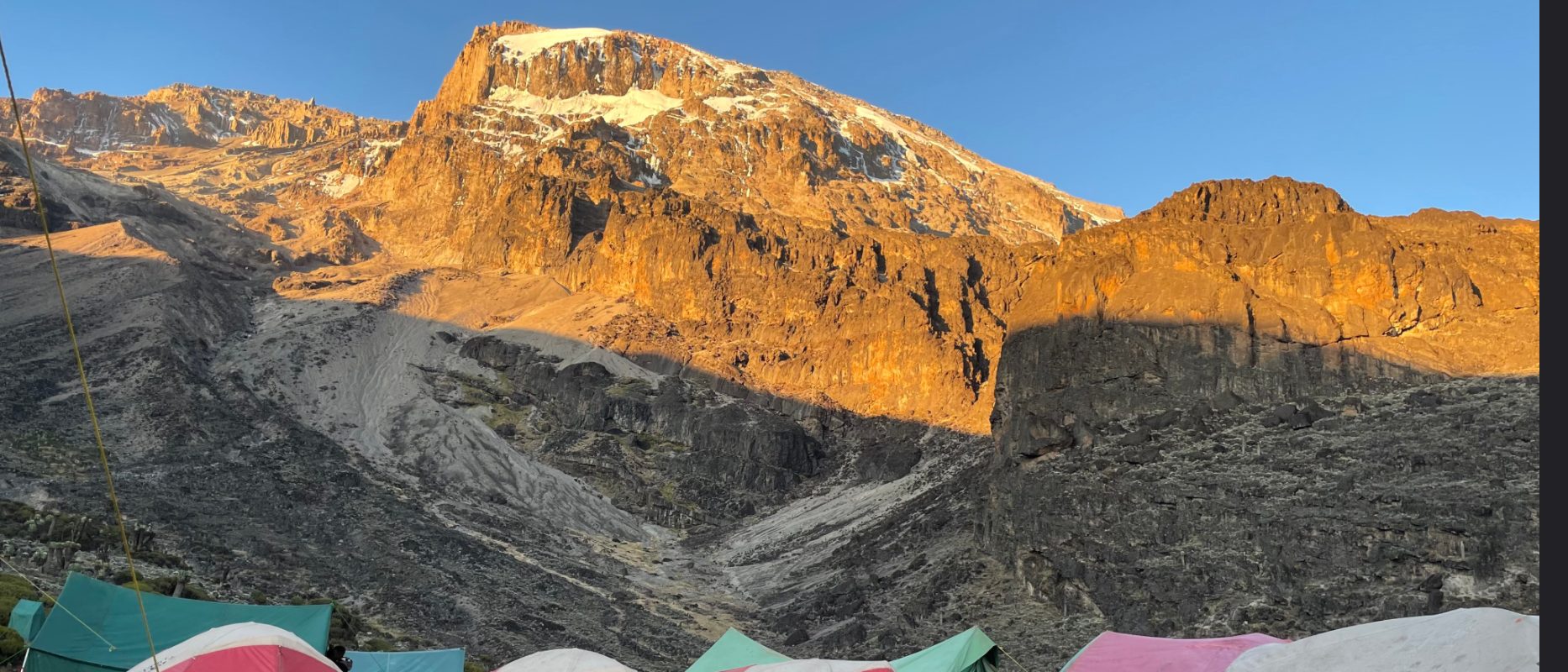
Mount Kilimanjaro at first light

Mount Kilimanjaro, 5,895 m

Mt. Kilimanjaro Climbing

The highest free standing mountain in the world, climbed from rainforest to glaciated summit in a single trek. Six route packages, KPAP registered crews, and slow acclimatisation profiles built for the summit, not the schedule.

Overview

Mt. Kilimanjaro climbing

Mount Kilimanjaro is not just Africa's tallest peak, it is a symbol of perseverance, nature's power, and the profound beauty of Tanzania. Standing at about 5,895 meters (19,341 feet), Kilimanjaro is the highest free standing mountain in the world, composed of three volcanic cones, Kibo (the summit cone), Mawenzi, and Shira. Trekking Kilimanjaro isn't merely a hike, it is a transformative journey through shifting climates, ecosystems, local communities, inner strength, and unforgettable vistas.

Here's what makes Kilimanjaro trekking such a sought after experience, what you can expect, and how to prepare, especially when trekking with Western Bridge Africa.


Why climb

Why people trek Kilimanjaro

There are many reasons trekkers from around the world choose to climb Kilimanjaro. Some of the most common motivations include the following.

  • 1

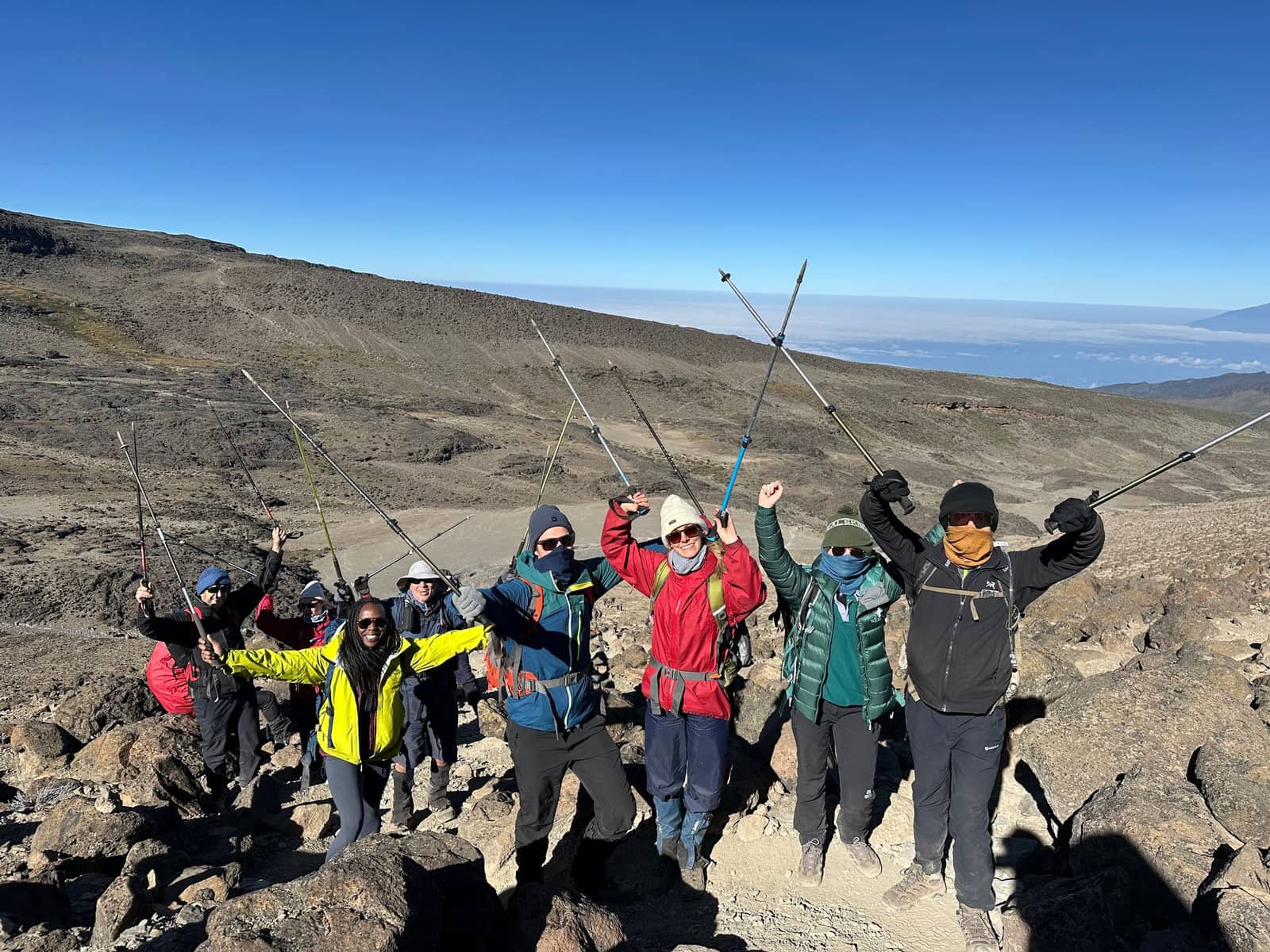
    Achieve a personal goal

    Summiting Africa's highest free standing mountain is a bucket list item for many, a milestone that stays with you for life.

  • 2

    Experience a diversity of landscapes and climates in one trek

    From tropical rainforest at the gates to heath and moorland, alpine desert, and the glaciated ice cap of the summit, all in a single week.

  • 3

    A physical challenge on an accessible mountain

    Kilimanjaro does not require technical climbing skills on the standard routes, no ropes, no ice axe, though endurance, acclimatisation and fitness all matter.

  • 4

    Cultural interaction

    Meet guides, porters and local Chagga and Maasai communities, stay in mountain huts and camps, taste local food, hear stories around the mess tent.

  • 5

    Stunning summit vistas

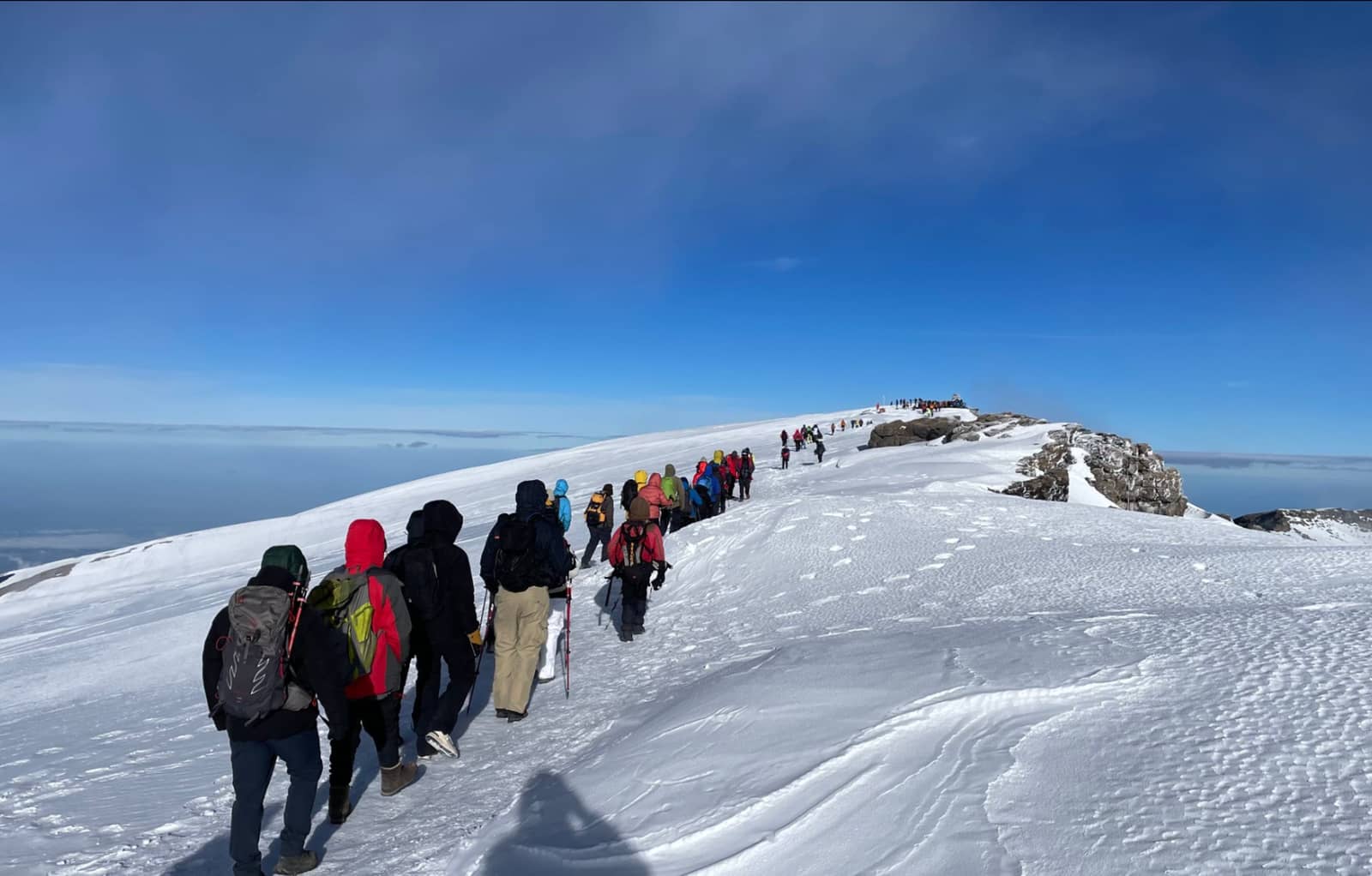
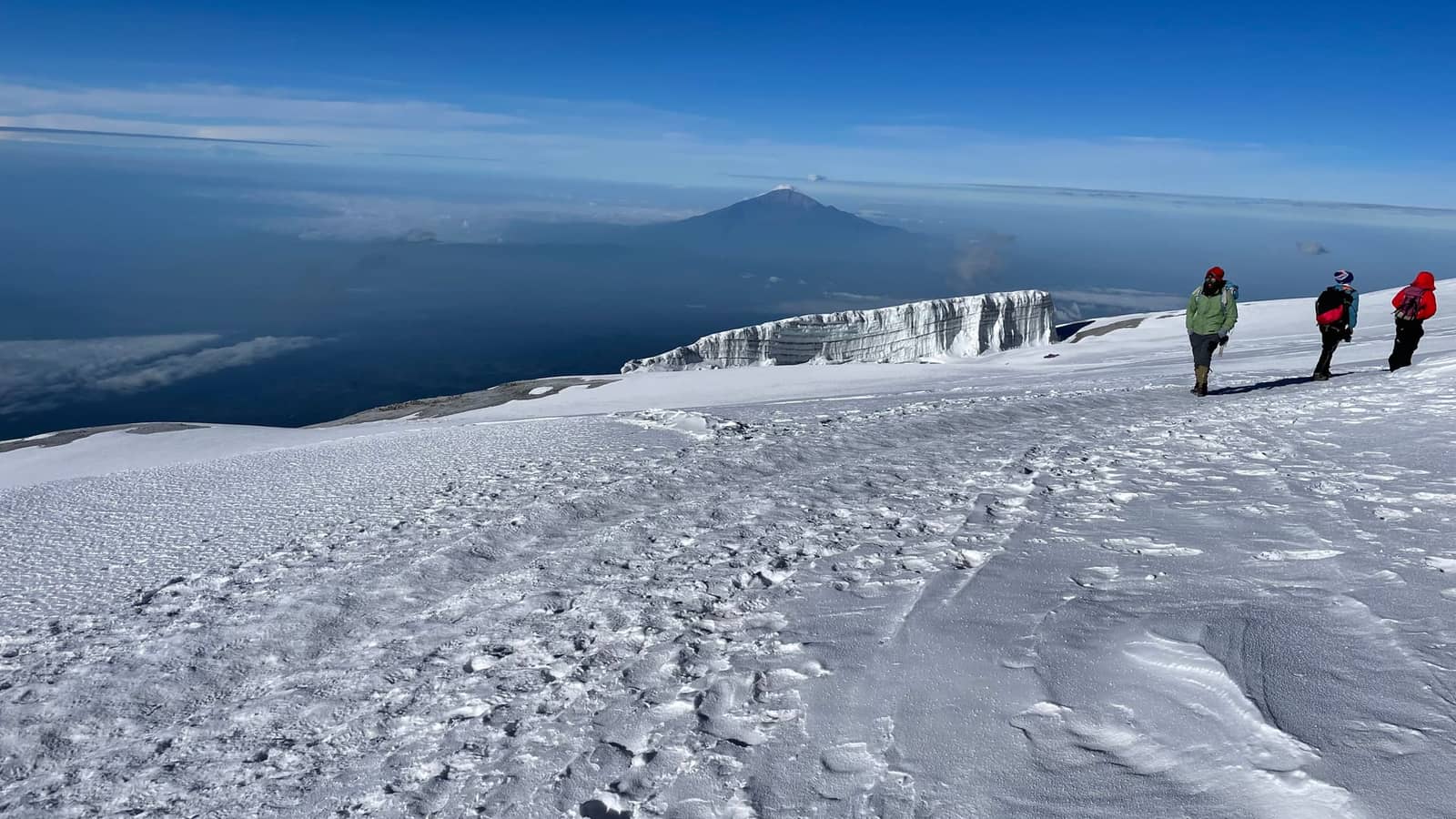
    Sunrise from Uhuru Peak, looking out over the clouds, glaciers and the vast savannah of the Rift Valley far below.

The routes

Five established paths to the summit

Kilimanjaro has five established climbing routes, each with a different character, gradient and level of traffic. Choosing the right one is the single biggest decision you will make about your climb.

The Coca Cola Route

Marangu Route

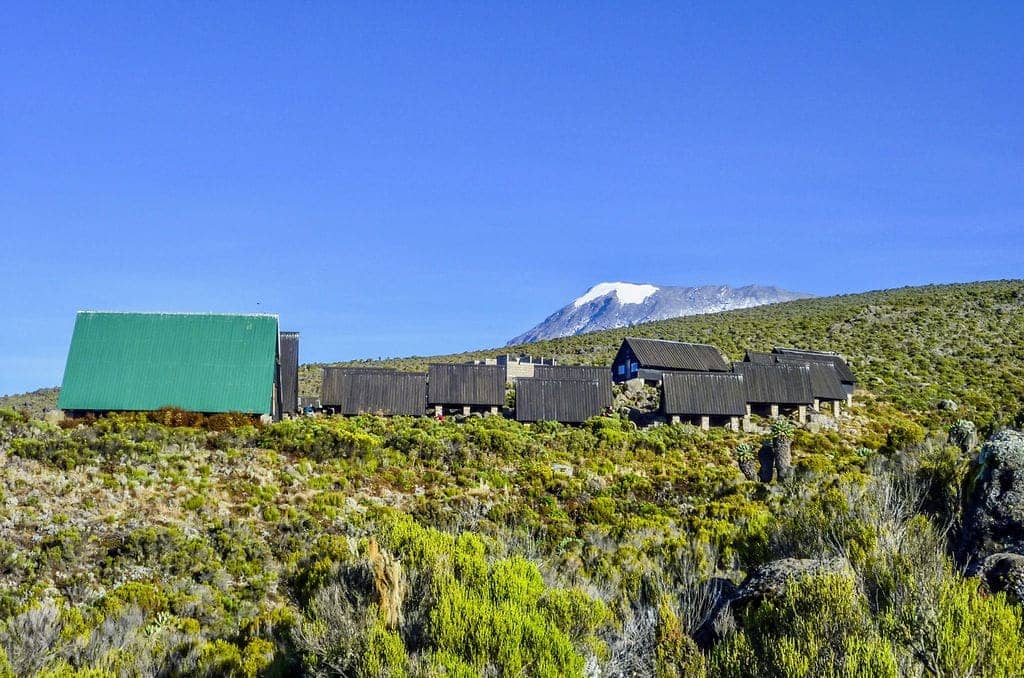
The oldest and most established path up Kilimanjaro, and the only route with permanent sleeping huts at Mandara, Horombo and Kibo. Ideal for climbers who prefer a bunk and a mattress to a tent. We run Marangu as a six day itinerary with an extra acclimatisation day at Horombo.

The most scenic route

Lemosho Route

Starts on the quiet western side of the mountain at Lemosho Gate, crosses the vast Shira Plateau, and joins the southern circuit at Barranco. Available as a seven day or eight day itinerary. The eight day version is our overall recommendation for scenery, acclimatisation and success rate.

The Whisky Route

Machame Route

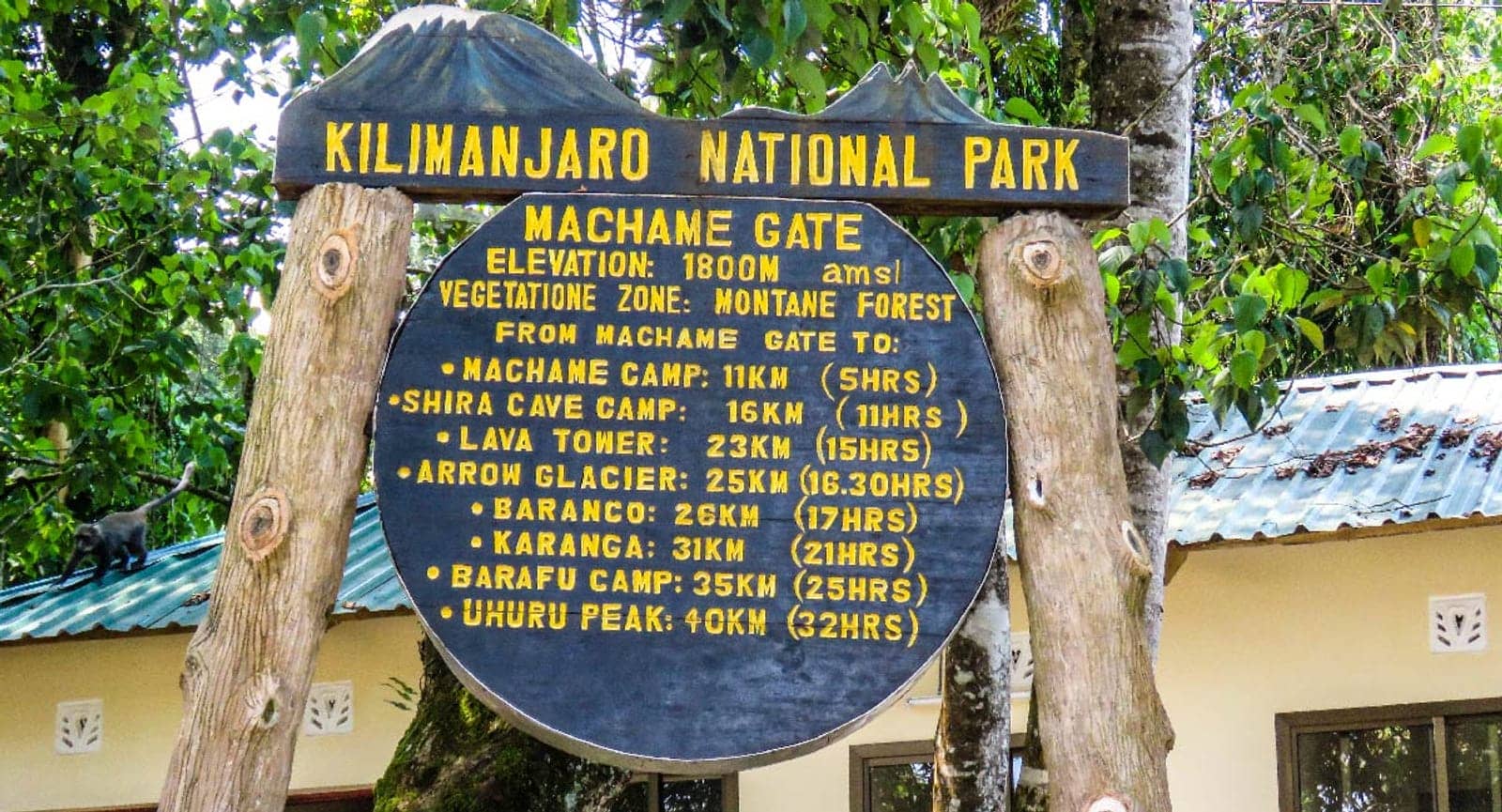
Kilimanjaro's most popular climb, up the south western slopes, over the Barranco Wall and along the southern glacier traverse. We run Machame as a seven day itinerary for proper acclimatisation, we do not sell the six day version.

The northern approach

Rongai Route

The only route that ascends Kilimanjaro from the north, from Rongai Gate near the Kenyan border. Drier than the southern routes, quieter, with a very different feel. Seven days with an acclimatisation walk to Mawenzi Tarn.

The highest success rate

Northern Circuit

The longest and quietest route on Kilimanjaro, nine days circling the mountain before a fresh summit approach from the north via School Hut. Three consecutive nights above 4,000 m before the summit push produce the highest success rate of any route.

What to expect

On the mountain, day by day

Five distinct climate zones in one trek

You walk from tropical rainforest at the gates, through heath and moorland, into alpine desert, and finally into the arctic summit zone of glaciers and ice, all in the space of a few days. Very few mountains in the world compress so much variety into so short a walk.

A slow, steady pace

The Swahili word you will hear more than any other on the mountain is pole pole, slowly slowly. Guides deliberately walk at a slow pace to give your body time to adjust to the thinning air. Fitness helps, but pace and patience are what get climbers to the summit.

Long summit night

The summit push starts at midnight from your final camp, in the cold and the dark, and finishes at the crater rim around sunrise. It is the longest, coldest and hardest few hours of the climb. Everything that comes before is preparation for that single night.

A full crew looking after you

You will not carry anything more than a day pack. The rest, tents, kitchen, mess tent, table and chairs, food, water, is carried, pitched and cooked by a crew of guides, an assistant guide, a chef and porters. On Marangu the huts replace the tents, but the rest of the crew remains.

Our packages

Six Kilimanjaro climb itineraries

Every itinerary opens to a full tabbed page with Information, day by day Itinerary, and Gallery, plus a sticky booking card.

Dates and prices

2026 / 2027 Mount Kilimanjaro tour prices and dates

Price per person (USD)

Our scheduled group climbs are listed below with prices and departure dates. You do not have to stick to these dates, many clients choose their own custom schedule at an additional cost, and we can open a private trek for others to join. Group sizes are capped at 10 to 15 climbers so nobody is lost in the crowd.

8 Day Lemosho Route

$2,890
Arrival
Dec 31, 2026
Departure
Jan 9, 2027
7 spacesBook

7 Day Machame Route

$2,600
Arrival
Jan 2, 2027
Departure
Jan 10, 2027
6 spacesBook

9 Day Northern Circuit Route

$3,205
Arrival
Jan 6, 2027
Departure
Jan 16, 2027
10 spacesBook

8 Day Lemosho Route

$2,890
Arrival
Jan 7, 2027
Departure
Jan 16, 2027
10 spacesBook

7 Day Lemosho Route

$2,650
Arrival
Jan 8, 2027
Departure
Jan 16, 2027
10 spacesBook

8 Day Lemosho Route

$2,890
Arrival
Jan 12, 2027
Departure
Jan 21, 2027
7 spacesBook

8 Day Lemosho Route

$2,890
Arrival
Jan 15, 2027
Departure
Jan 24, 2027
6 spacesBook

8 Day Lemosho Route

$2,890
Arrival
Jan 20, 2027
Departure
Jan 29, 2027
6 spacesBook

7 Day Lemosho Route

$2,650
Arrival
Jan 26, 2027
Departure
Feb 4, 2027
6 spacesBook

6 Day Marangu Route

$2,540
Arrival
Jan 31, 2027
Departure
Feb 7, 2027
7 spacesBook

7 Day Rongai Route

$2,650
Arrival
Feb 2, 2027
Departure
Feb 10, 2027
8 spacesBook

9 Day Northern Circuit Route

$3,205
Arrival
Feb 4, 2027
Departure
Feb 14, 2027
8 spacesBook
What is in the price

Kilimanjaro package inclusions and exclusions

Our Kilimanjaro packages include

Arrival and Transfers

  • Complimentary meet and greet on arrival at Kilimanjaro Airport.
  • One arrival and one departure private transfer per group in a private vehicle with a driver.

Hotel Accommodation

  • Two nights' shared 5-star accommodation at Mt Meru Hotel in Arusha, including breakfast and dinner (first and last night).
  • Storage facilities for excess luggage during the hike.

Mountain Transfers and Fees

  • Return transfers between the hotel and the start/finish points of the climb.
  • Kilimanjaro National Park gate fees, camping/hut fees, and climbing permits.
  • Kilimanjaro National Park rescue fees (Kilimanjaro Rescue Team).

Safety and Medical Support

  • Chief guide carries a Pulse Oximeter for twice-daily blood-oxygen readings.
  • Emergency oxygen (for emergencies only).
  • Comprehensive first aid kit (for emergencies only).

Mountain Crew

  • Qualified mountain guide, assistant guides, porters, and cook.
  • Salaries for the support crew as per Kilimanjaro National Park Authority (KINAPA) guidelines.

Meals and Water

  • Breakfast, lunch, and dinner, plus hot drinks on the mountain.
  • Premium quality food with greater variety.
  • Hot lunch prepared and served at lunch stops, except on day 1 (packed lunch).
  • 3 liters of mineral water provided on day 1; 3 liters of purified water per day from night 1 onward.

Camping and Equipment

  • Superior camping equipment (tents, sleeping mats, camp chairs, camp tables, mess tent, and cutlery).
  • 10cm thick self-inflating sleeping mattress (except on Marangu route).
  • Hot water for washing daily.
  • One hot water bottle per hiker for sleeping bags each night.

Porter Services

  • Porter to carry your duffel bag (max weight 15kg/32 lbs).
  • Porter to carry your daypack during the summit attempt.

Certification and Membership

  • Kilimanjaro National Park certificate for successful summit attempts.
  • Complimentary Flying Doctors membership (emergency helicopter evacuation, T&C apply).

Our Kilimanjaro packages exclude

Travel and Entry Requirements

  • Flights and airport taxes.
  • Entry visa for Tanzania: US$50 for most nationalities, US$100 for USA passport holders.
  • Vaccination requirements. Compulsory: Yellow Fever (if traveling via a Yellow Fever-infected country). Optional but recommended: Meningitis, Hepatitis A.

Personal and Optional Expenses

  • Items of a personal nature.
  • Snacks, personal medicine, and sports drinks.
  • Meals and drinks not specified in the package.
  • Personal hiking/trekking gear (rentals available in Tanzania).

Tipping and Gratuities

  • Compulsory tips for guides, porters, and cook.
  • Average US$250 to US$350 per hiker (depending on group size, route, and days).

Insurance and Tracking

  • Optional travel and medical insurance (highly recommended).
  • Optional live tracking service (additional cost, subject to booking in advance).

Additional Services

  • Private portable toilet for the group (extra US$150).
Health and safety

Acclimatisation is the whole game

Altitude, not fitness, is the reason most climbers turn back on Kilimanjaro. Our itineraries are deliberately longer than the industry minimums, and every climb carries the equipment and protocols to handle altitude illness quickly if it occurs.

You will not be pushed. If your guide decides you should descend, you descend. That call has saved lives on this mountain, and we back our guides without exception.

  • Twice daily pulse oximeter checks by your guide, oxygen saturation and pulse.
  • Emergency oxygen carried on every climb.
  • Portable altitude chamber (PAC bag) available for group climbs on request.
  • Two way radios and satellite phone with the lead guide on every itinerary.
  • KPAP registered crews audited annually for porter welfare and fair wages.
  • Full evacuation protocols in coordination with Kilimanjaro Search and Rescue.
Why climb with us

Why climb Kilimanjaro with Western Bridge Africa

  • Owned and operated in Arusha, every guide and vehicle is in house, no third party operators.
  • KPAP registered on every climb, porters paid the proper wage and limited to 20 kg per load.
  • Longer acclimatisation profiles as standard, six day Marangu instead of five, seven day Machame instead of six.
  • Around 90% summit success on our seven day itineraries, 93% on eight day Lemosho and 95% on the nine day Northern Circuit.
  • Two way airport transfers, pre climb briefing and gear check, and 24/7 in country support throughout.
  • Honest, transparent pricing with no peak season surprises.
Best time

Best time to climb Kilimanjaro

Climbing Mount Kilimanjaro is a year-round experience. At Western Bridge Africa, we provide expert advice on the best time for you to plan your Kilimanjaro trip based on your individual requirements.

The two main climbing seasons are the dry months from December to March and from June to October. The warmest months are from December to March. During these months the skies are clearer and there is less chance of snow on the trail. February is the best month since the temperature is high and the chances of rainfall are low. From June to October, the temperatures on the mountain are noticeably colder and the trails are busier.

During the rainy season, it can be wet, slippery and the visibility may be limited. Most climbers avoid these seasons, although some experienced climbers and adventurous travellers prefer to climb at this time. There are certainly some pros: a lack of crowds being a big draw.

Preparation

How to prepare for climbing Kilimanjaro

Even though there is a route for every level on Mount Kilimanjaro, it is important to be able to cope with around 6 to 7 hours of walking every single day. This can be gruelling, so preparation is always a fantastic idea. During an average climbing day, you will walk 6 to 7 hours per day. In the months leading up to your trip, head out on long hikes every few weeks, gradually building up your stamina to endure a full weekend hike.

Other exercises that can help with preparing for your trek include yoga and breathing classes. Stretching out your body and mind makes your muscles stronger and less likely to let you down when you need them most.

FAQ

Kilimanjaro frequently asked questions

Everything climbers ask us before they book, from route choice and difficulty to gear, altitude and porter welfare. If your question is not answered here, get in touch and one of our Kilimanjaro specialists will reply personally.

Begin your journey

Tell us your dream of Africa.
We will compose the rest.

Every itinerary is built one conversation at a time. Share your dates, your travellers, and the wildlife or summit you'd most like to meet - a specialist replies within 24 hours.

Loading Western Bridge Africa

Western Bridge Africa

Tanzania · Est. Arusha